What to Eat After Getting Dental Implants
A practical guide to eating after dental implant surgery in Woodbridge VA, covering soft food choices, what to avoid, healing nutrients, and long-term dietary tips.
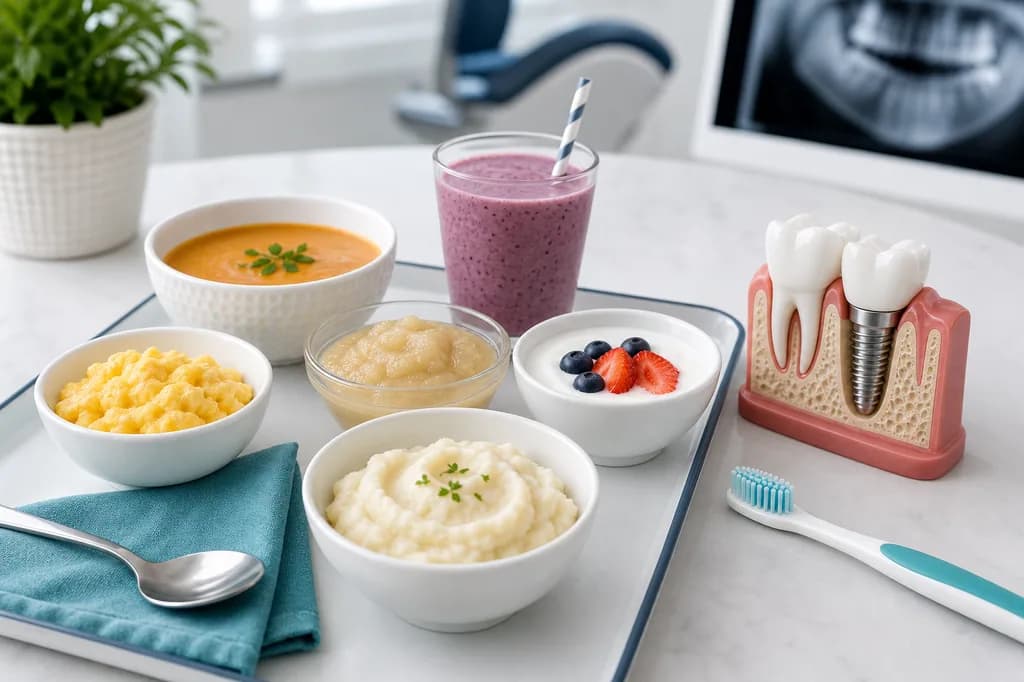
Dental implants are a remarkable solution for restoring the function and appearance of missing teeth. However, ensuring their long-term success requires proper care, particularly in the days and weeks following the procedure. A critical part of this care involves making informed choices about what to eat. Selecting the right foods can promote healing, reduce discomfort, and protect your implants as they integrate with the jawbone.
The Importance of a Soft Food Diet
Immediately after dental implant surgery, the affected area is delicate and prone to irritation. To allow proper healing, following a soft food diet is essential. Soft foods minimize pressure on the surgical site, reduce the risk of implant damage, and help avoid complications.
Recommended options during initial recovery include soups and broths, mashed vegetables, scrambled eggs, and smoothies.
Foods to Avoid During Recovery
Hard foods, sticky items, spicy or acidic foods, hot beverages, and alcohol should be avoided. These can disrupt the healing process or damage the implant.
Gradually Reintroducing Regular Foods
After one to two weeks, patients can expand their diet to include soft-cooked grains, tender proteins, and steamed vegetables while continuing to avoid hard or sticky foods.
Nutrients That Support Healing
Protein, calcium, vitamin D, vitamin C, zinc, and omega-3 fatty acids are essential nutrients that promote recovery and support the body’s natural healing process after implant surgery.
Staying Hydrated
Water is the best choice, as it keeps tissues hydrated and flushes away food particles and bacteria. Staying well-hydrated throughout recovery supports overall healing.
Tips for Managing Discomfort While Eating
Take small bites and use a spoon when possible. Rinsing with salt water after meals helps keep the area clean. Avoid using straws, as the suction can disturb the healing site.
Long-Term Dietary Considerations
Once the implant has fully integrated with the jawbone, patients can resume most foods. However, it is still wise to remain cautious with extremely hard or sticky items that could stress the crown over time.
Frequently asked questions
When can I eat solid food after dental implants?
Most patients can begin reintroducing soft solid foods like tender proteins and steamed vegetables after one to two weeks. A full return to regular eating depends on how well the implant site heals, typically within a few months.
Can I drink coffee after dental implant surgery?
Hot beverages, including coffee, should be avoided in the first days after surgery as heat can irritate the surgical site. Once initial healing is underway, moderate consumption is usually fine.
Why should I avoid straws after getting implants?
The suction created by using a straw can disturb the healing tissue around the implant site and potentially dislodge the protective clot, slowing recovery.
What nutrients help dental implants heal faster?
Protein supports tissue repair, vitamin C aids wound healing, calcium and vitamin D strengthen bone, zinc supports immune function, and omega-3 fatty acids help reduce inflammation.
Are there any foods I should permanently avoid with implants?
Once fully healed, most foods are fine. However, regularly chewing extremely hard items like ice or hard candy can put unnecessary stress on the crown and should be limited.
What you eat after getting dental implants plays a crucial role in ensuring their success and promoting your overall oral health. By following a soft food diet, avoiding harmful foods, and incorporating nutrient-rich options, you can support healing and enjoy a smooth recovery.
Request an AppointmentRequest an Appointment
Share a few details—our team will follow up to confirm next steps.